 English






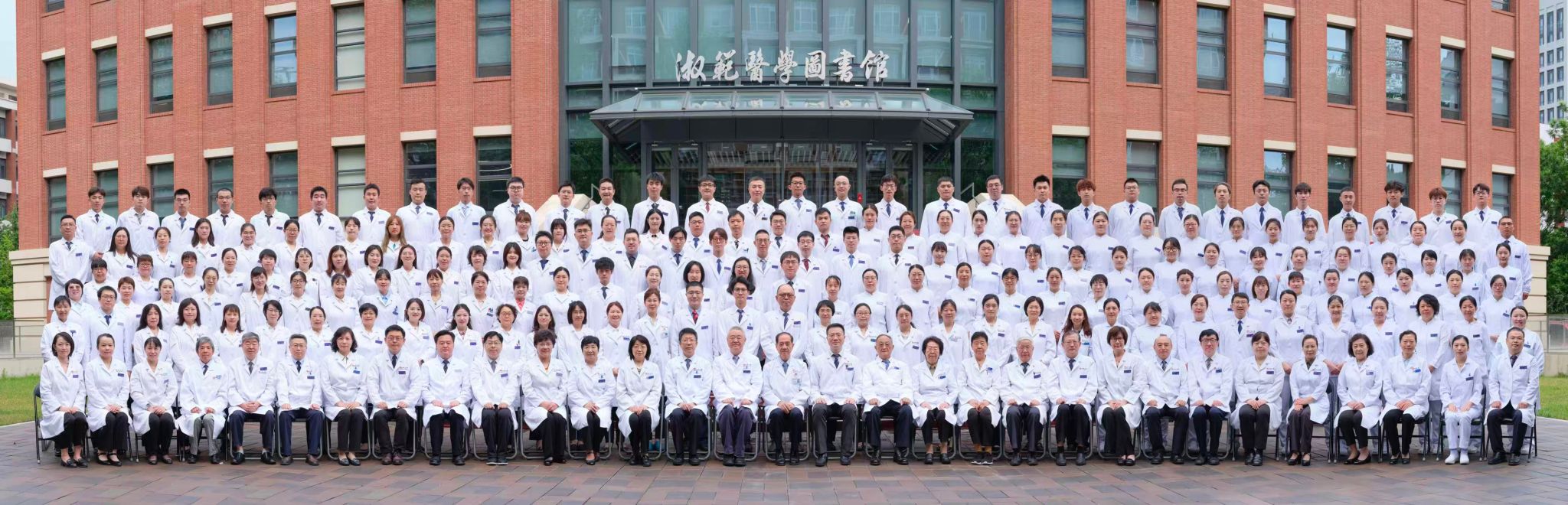
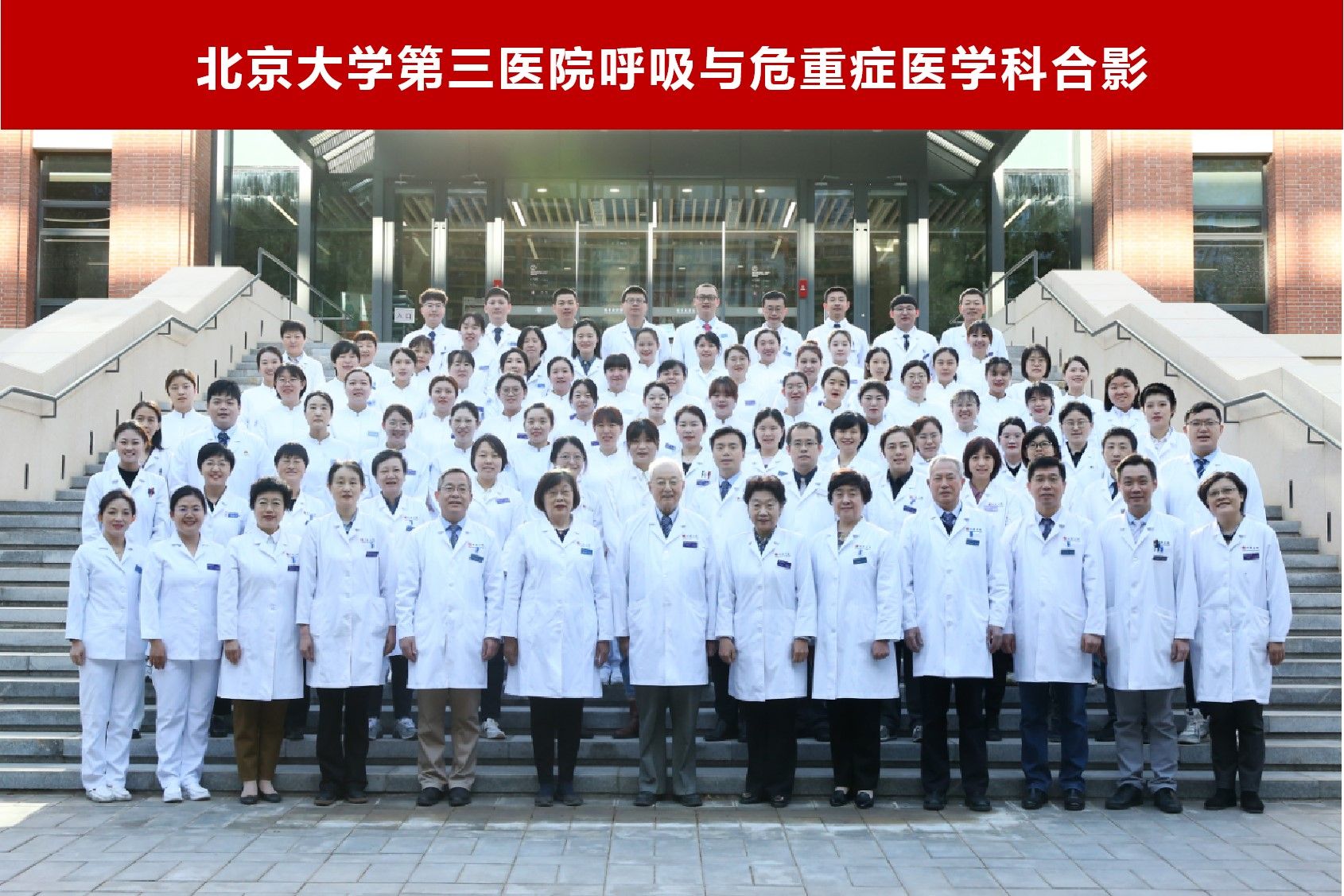
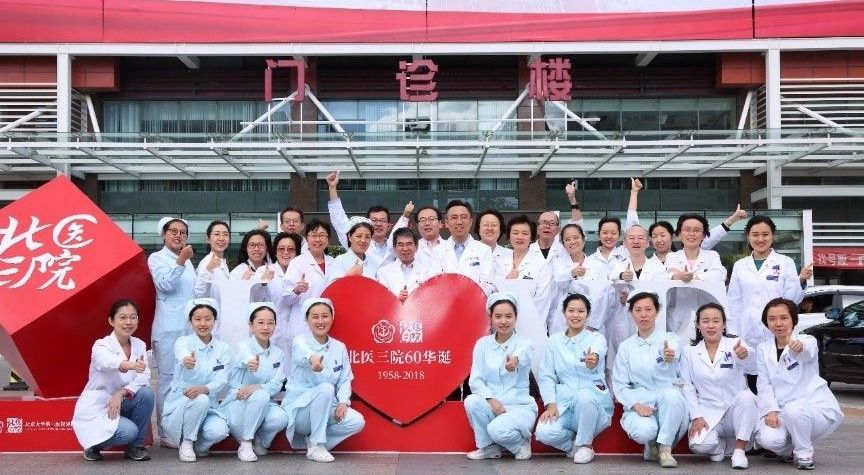
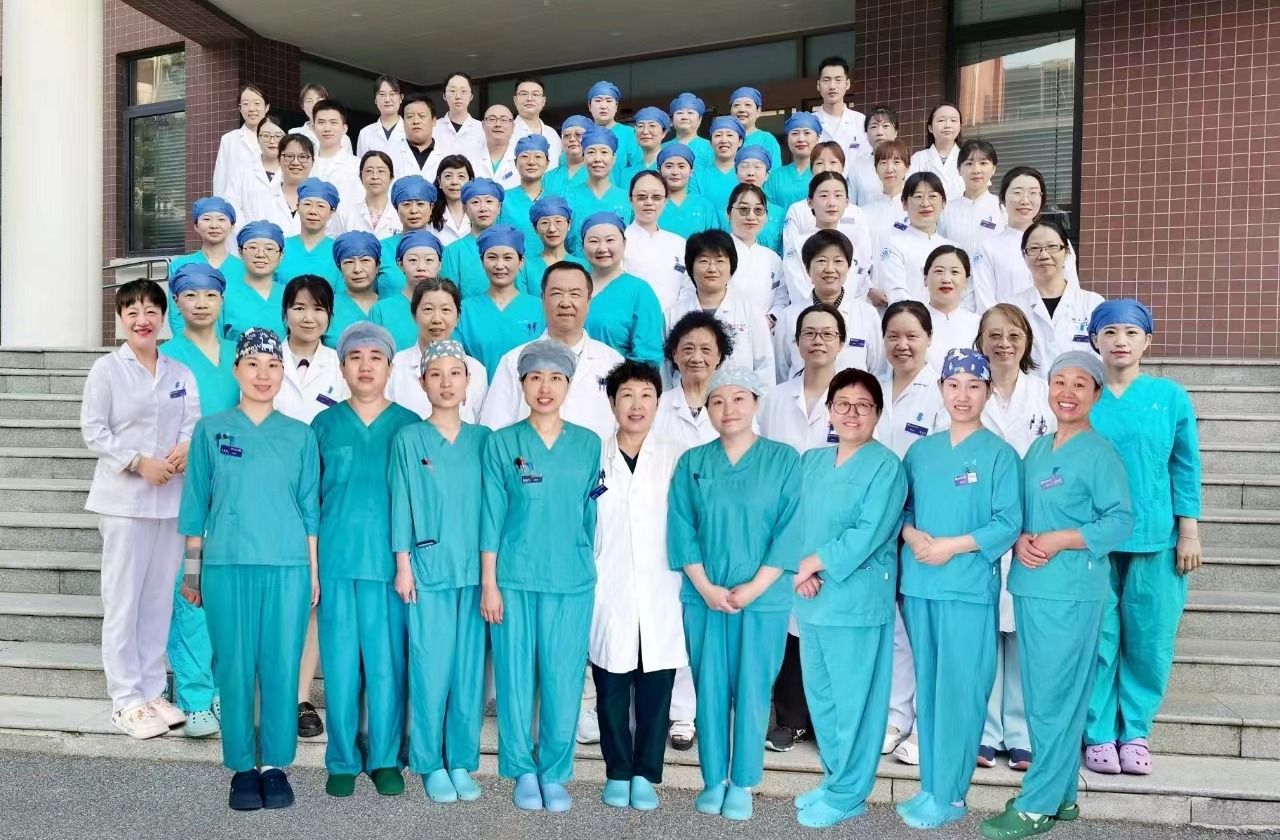
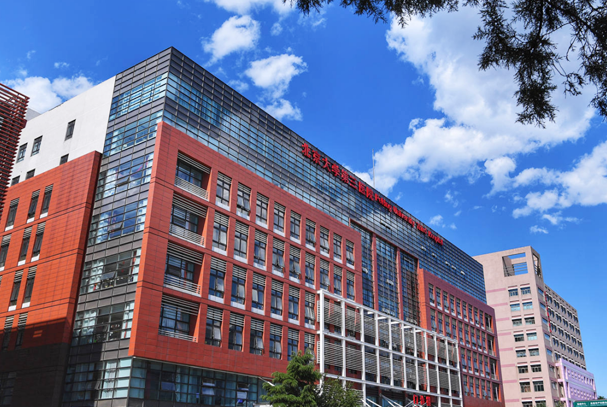
Peking University Third Hospital (PUTH), founded in 1958, is a hospital directly managed by the National Health Commission of the People's Republic of China. It is a comprehensive Grade-A tertiary hospital integrating medical care, education, research, preventive healthcare, rehabilitation, and health management. For many years, PUTH has consistently ranked among the top hospitals in Beijing in terms of medical service volume and efficiency. It currently operates over 2,700 beds. In 2025, the hospital served more than 5.9 million outpatient and emergency visits, admitted 198,000 inpatients, and performed 117,000 surgical procedures, with an average length of stay of 4.16 days, ranking at the national leading level. In March 2022, PUTH was selected as one of the 14 pilot public hospitals for high-quality development nationwide. In the National Tertiary Public Hospital Performance Assessment, PUTH achieved an A++ rating for the years 2018-2024. PUTH is home to 1 academician of the Chinese Academy of Sciences, 2 academicians of the Chinese Academy of Engineering, 8 recipients of the National Natural Science Foundation's Distinguished Young Scholars Fund, 4 Changjiang Scholars, and 2 leading talents in scientific and technological innovation under the National High-level Talent Special Support Program. As a comprehensive Grade-A tertiary hospital with distinctive and prominent multidisciplinary strengths, PUTH's Department of Spine Surgery is recognized as the strongest discipline in China. Its Reproductive Medicine Center offers the most comprehensive treatment approaches and is one of the largest centers of its kind internationally, where the first test-tube baby in mainland China was born. The Institute of Sports Medicine is the earliest established and the only designated athlete injury prevention and treatment center of the Chinese Olympic Committee in China. The Department of Ophthalmology ranks among the top tier nationally in corneal diseases, orbital diseases, fundus diseases, and cataracts. The Department of Gastroenterology is at the forefront nationally in research on the pathogenesis and treatment of peptic ulcers, as well as in the diagnosis and treatment of early gastric cancer. The Department of Cardiology has made outstanding achievements in interventional treatment of coronary heart disease, cardiac rehabilitation, and the coordinated development of clinical practice and basic research in cardiovascular medicine. The Department of Plastic Surgery and the Department of Occupational Diseases are among the first clinical specialty departments established in China. PUTH promotes high-quality development through discipline construction. Currently, the hospital has 27 (37 batches) National Key Clinical Specialties (including construction projects): Orthopedics (approved three times), Pharmacy (Clinical Pharmacy), Pathology, Specialty Nursing, Laboratory Medicine, Gastroenterology (approved three times), Obstetrics and Gynecology (with Gynecology and Obstetrics approved separately, totaling four approvals), Occupational Diseases, Otorhinolaryngology, Key Laboratory of Cardiovascular Molecular Biology and Regulatory Peptides, Respiratory Medicine (approved twice), Neurology (approved twice), General Surgery, Urology, Ophthalmology, Anesthesiology (approved twice), Rehabilitation Medicine (approved twice), Plastic Surgery (Reconstructive Surgery), Sports Medicine, Cardiology, Radiation Oncology (Radiotherapy), Emergency Medicine, Neurosurgery, Endocrinology, Reproductive Medicine, and Hematology. Additionally, Laboratory Medicine, Medical Imaging, Critical Care Medicine, Clinical Epidemiology Research Center (Epidemiology), Infectious Diseases, Traditional Chinese Medicine Gynecology, Reproductive Medicine, and Neurosurgery have been approved as Beijing Municipal Key Clinical Specialties (including construction projects). The Department of Obstetrics and Gynecology serves as the National Clinical Research Center for Women's Health and Gynecological Diseases. The Department of Obstetrics and the Department of Rehabilitation Medicine are the National Medical Quality Control Centers for Obstetrics and Rehabilitation Medicine, respectively. The Department of Reproductive Medicine leads the National Expert Group for Assisted Reproductive Technology Quality Management. The hospital is a national pilot unit for the collaborative development of Traditional Chinese and Western Medicine ("Flagship" Hospital), with the Department of Reproductive Medicine, Department of Sports Medicine, and Department of Traditional Chinese Medicine designated as national "Flagship" departments for TCM-Western medicine collaboration. PUTH consistently adheres to a "patient-centered" approach, implementing multiple measures to continuously enhance the patient experience. The hospital focuses on strengthening multidisciplinary team (MDT) consultations and comprehensive management of rare diseases to improve its capacity for treating complex and critical conditions. Minimally invasive surgeries, day surgeries, and weekend and evening outpatient services accommodate more patients, while the development of a pain-free hospital continues to advance. The one-stop outpatient appointment platform is being continuously optimized, with special medical services and international medical services offering multi-tiered options. For inpatient services, the hospital is progressively promoting the "direct ward admission" process, piloting caregiver-free wards, and launching the "worry-free discharge" program. The development of a smart hospital brings patients a more convenient and efficient healthcare experience. The internet hospital has launched the "ZhiZhen Intelligent Agent," enabling intelligent integration of consultation, triage, registration, and diagnosis. Family-doctor accompanied visits through "village clinics" cover 18 community health centers in Yanqing, and the community-direct "cloud clinic" connects with 15 community health centers in Haidian. In 2025, the internet hospital completed 250,000 consultations, adding 780,000 newly registered users. A new generation of domestically developed AI PACS system has been fully deployed, greatly improving service efficiency. As the clinical medical school of Peking University, the hospital fulfills its fundamental mission of fostering virtue through education, adhering to a student-centered educational philosophy that prioritizes moral education and promotes comprehensive development. The hospital has established a Center for Education and Teaching, continuously deepening reforms in medical education. PUTH places great emphasis on undergraduate education, with relevant courses selected as Beijing Municipal High-Quality Undergraduate Courses. Its teaching achievements were awarded the First Prize of the 2022 National Teaching Achievement Award (Undergraduate). The Neurology team won the National Second Prize in the University Faculty Teaching Innovation Competition. Each year, the hospital undertakes the teaching and training management of nearly 700 undergraduate students, over 800 graduate students, nearly 600 standardized residency training residents and specialist trainees, and nearly 2,000 visiting physicians/nurses. It also manages multidisciplinary undergraduate medical education primarily focused on the eight-year clinical medicine program. The hospital has 31 doctoral training sites and 33 master's training sites, with 20 national standardized residency training specialty bases, 3 national key specialty bases for standardized residency training, and 3 specialty physician standardized training bases designated by the National Health Commission. PUTH consistently adheres to "clinically-oriented" scientific innovation, ranking first among Beijing municipal hospitals for many consecutive years in the number of approved National Natural Science Foundation projects. In recent years, PUTH has implemented multiple major initiatives to stimulate innovation in medical science and technology and promote the translation of innovative achievements. In 2019, the hospital established the Medical Innovation Research Institute and took the lead in forming the Beijing Xueyuan Road Clinical Medicine Collaborative Innovation Alliance. In 2021, it co-founded the first concept verification center based in a medical institution with Haidian District. In 2024, the PUTH Science and Technology Association was established, and the Industrial Development Research Institute (PUTH) was officially inaugurated. The hospital actively explores innovative management models, establishing a new university-hospital collaboration framework, and continuously advancing hospital-enterprise cooperation, with a cumulative total of 25 hospital-enterprise joint R&D centers established. In terms of research platform development, PUTH currently possesses 3 Ministry of Education Innovation Teams: Orthopedics, Institute of Sports Medicine, and Obstetrics and Gynecology; 3 national-level research platforms: the State Key Laboratory of Female Fertility Promotion, the State Key Laboratory of Vascular Homeostasis and Remodeling, and the National Clinical Research Center for Women's Health and Gynecological Diseases; and 16 provincial and ministerial-level research platforms. The hospital also hosts 2 demonstration centers for clinical application of innovative drugs and medical devices. PUTH explores new pathways for channeling quality medical resources to the grassroots level and has consistently ranked among the top in Beijing's medical consortium comprehensive evaluations for many years. The Central-Eastern Haidian Comprehensive Medical Consortium and 15 cross-regional specialty medical consortia drive improvements in regional medical service capacity. The Second Outpatient Department, Central Party School Campus, Airport Campus, Northern Campus, and Haidian North Campus operate under vertical management with standardized quality management. PUTH manages two district-level hospitals in Haidian and Yanqing, contributing to the development of the capital's healthcare services. It also manages the Yan'an Traditional Chinese Medicine Hospital to support the old revolutionary base areas. The hospital has established two national regional medical centers — the PUTH Chongli Campus and PUTH Qinhuangdao Hospital — implementing the Beijing-Tianjin-Hebei coordinated development strategy. PUTH consistently upholds the public welfare nature of public hospitals, safeguarding people's health and lives with the responsibility of a "national team." The national medical team of 137 medical staff dispatched to Hubei for COVID-19 response was honored with titles including "National Advanced Collective in COVID-19 Prevention and Control" and "Model of the Times." PUTH and its Chongli Campus were awarded the "Outstanding Contribution Collective for the Beijing Winter Olympics and Winter Paralympics," receiving commendation from the CPC Central Committee and the State Council. PUTH Yanqing Hospital was honored as a "Beijing Advanced Collective for the Winter Olympics and Winter Paralympics." The hospital continuously carries out medical assistance programs in Tibet and Xinjiang, roving medical services, and healthcare support missions, while completing medical security tasks for major events and important conferences. Since 2015, 67 medical personnel in 11 batches have participated in "group-style" medical assistance to Tibet, providing relay support for the development of local healthcare services on the plateau. A