Department Details
The Department of Pathology at Peking University Third Hospital is a national key clinical specialty and one of the country's major diagnostic centers for complex and challenging pathological cases. Building upon the historically renowned Department of Pathology at Peking University Health Science Center, and through the diligent efforts and pioneering work of several generations of pathologists, the department has developed into a leading discipline integrating teaching, research, and clinical practice. Accumulating extensive medical experience over the years, the department has continuously innovated to meet the growing demand for specialized medical services. Currently, it encompasses thirteen pathology subspecialties covering multiple human body systems, including urological pathology, hematopathology, neuropathology, gastrointestinal pathology, respiratory pathology, gynecological pathology, breast pathology, dermatopathology, endocrine pathology, soft tissue and bone/joint pathology, cytology, anatomical pathology, and molecular pathology. The department was among the first batch of national continuing education bases in 2004; in 2006, it was selected as one of the first Beijing standardized residency training bases for clinical pathology; and at the end of 2010, it was among the first to be included in the "National Key Clinical Pathology Specialty Construction Project."
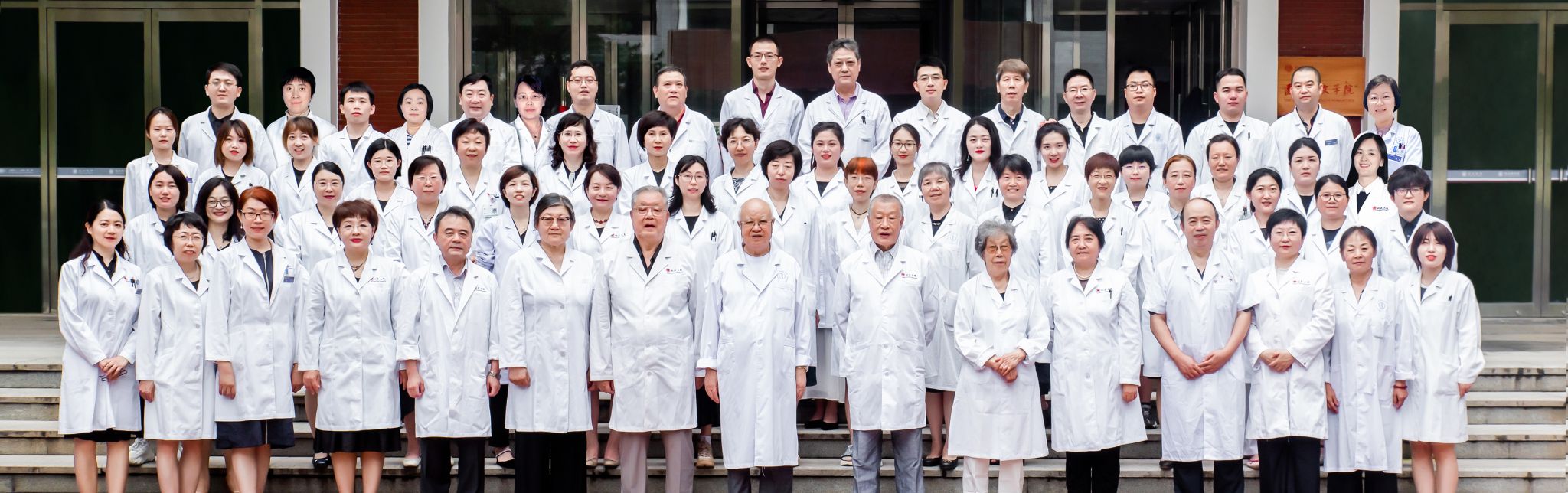
The department boasts a well-structured team of professional pathologists, including several nationally renowned pathology experts. Additionally, it maintains a dedicated technical team covering routine pathology platforms, immunohistochemistry platforms, special staining platforms, ultrastructural pathology platforms, fine-needle aspiration cytology platforms, and molecular pathology platforms, providing robust support for clinical pathological diagnosis, teaching, and research. The Molecular Pathology Laboratory under the department is one of the first clinical gene amplification testing laboratories certified by the Ministry of Health's National Center for Clinical Laboratories. It also serves as a demonstration laboratory of the National Health Commission's Pathology Quality Control Center (PQCC) and a Beijing Municipal Key Laboratory.
Currently, the department handles an annual workload of 90,000 histological specimens, 65,000 cytological specimens, 50 autopsies, 6,000 electron microscopy cases, 7,000 consultation cases, and 6,000 molecular pathology tests. Integrating clinical service, teaching, and research, and encompassing systematic, standardized, digitalized, and informatized processes from gross examination, light microscopy, and electron microscopy to immunohistochemistry and genetic testing, the department's clinical pathological practice ranks among the leading comprehensive disciplines nationwide.

 English